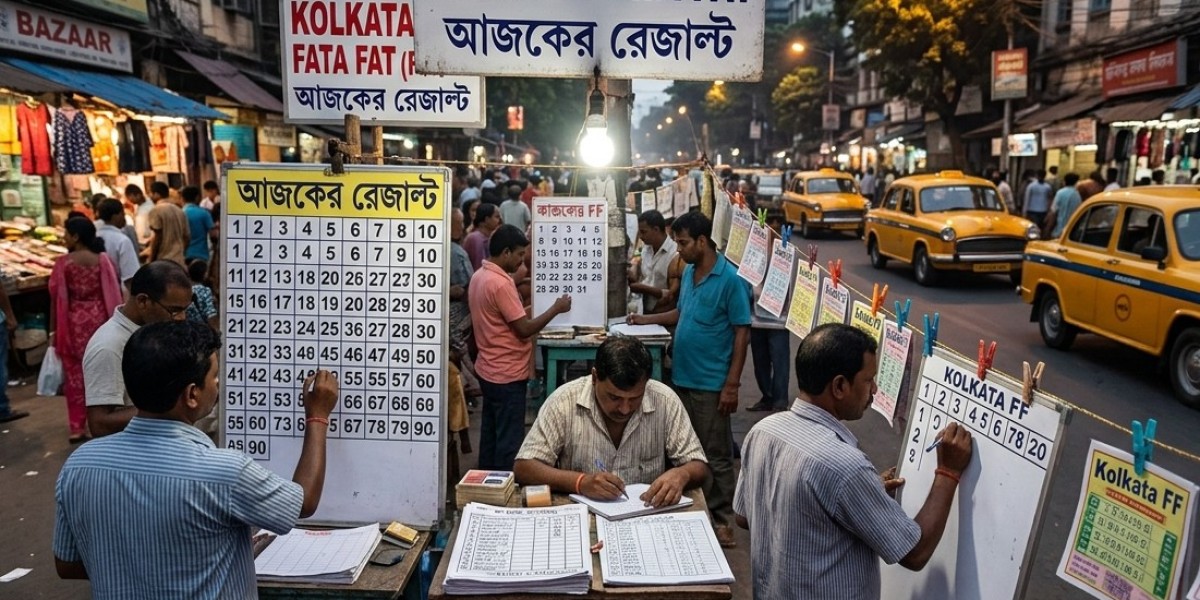

Kolkata Fatafat, also known as Kolkata FF, is widely followed across many households in West Bengal and other regions. While the game is often discussed in terms of daily Bazi results and number tips, its real impact on the family and household life of regular players is a much more important topic. Understanding how Kolkata Fatafat affects family relationships, household expenses, and emotional wellbeing is the most important step for every reader to see the complete picture of the game. This article explains the family-level impact of Kolkata Fatafat in a clear, simple, and informational manner.
Summary of Kolkata Fatafat Family Impact
Area of Impact Common Effect
Household Finances Reduced savings, debt, and expense pressure
Family Relationships Arguments, conflicts, and trust issues
Mental Wellbeing Stress, anxiety, and emotional ups and downs
Children's Lives Reduced focus on education and emotional impact
Marital Relations Trust loss and frequent disagreements
Long-Term Family Stability Risk of long-term financial damage
Kolkata Fatafat Family Impact: A Brief Overview
While Kolkata Fatafat is generally seen as a personal activity, its effects often spread quietly across the entire household of a regular player.
Repeated participation in a chance-based game can put a long-term strain on the family's finances, emotions, and daily routine.
In many households, the impact begins with small financial losses and slowly builds into bigger problems over time.
Family members, including spouses, parents, and children, often face the indirect effects of the player's involvement.
The patterns of impact discussed in this article are widely observed across many families and reflect common community experiences.
Understanding these patterns helps every reader make a more informed decision about getting involved in such number-based games.
Impact on Household Finances
The most visible impact of regular Kolkata Fatafat play is on the household's financial condition.
Money that should have been used for daily expenses, savings, or future investments is often lost in repeated Bazi rounds.
Many families slowly see their monthly budget shrinking, with small but constant losses adding up over time.
In some cases, household bills, school fees, or medical expenses get delayed because of repeated losses.
When losses become heavy, players often start borrowing from friends, relatives, or local agents, which adds further financial pressure on the household.
Over a long period, this financial damage can affect the family's overall stability and future planning.
Common Family Conflicts Linked to the Game
Frequent Arguments at Home
Repeated financial losses often lead to frequent arguments between the player and other family members.
Trust Issues with the Spouse
Spouses often lose trust when household money is used without their knowledge for daily Bazis.
Disagreements with Parents
In joint families, regular play may also lead to disagreements with parents, especially when household savings start reducing.
Hidden Spending
Many players hide their daily spending on the game, which later creates bigger conflicts when the truth comes out.
Emotional Distance
Continued involvement in the game and the stress that comes with it often creates emotional distance between family members.
Impact on Mental Wellbeing of the Player
The repeated cycle of wins and losses in Kolkata Fatafat often affects the mental wellbeing of the player.
Constant hope of a big win followed by frequent losses creates a strong emotional pressure over time.
Many regular players report symptoms of stress, anxiety, sleep disturbance, and reduced focus on daily tasks.
The fast-paced 8 Bazi system, with a new result every 1 hour and 30 minutes, also keeps the player emotionally engaged for most of the day.
Over a long period, this emotional pressure can have a serious impact on the overall mental health of the player and indirectly on the family.
Impact on Children Growing Up in Such Households
Children in households where a parent regularly plays Kolkata Fatafat often face indirect emotional and financial effects.
Reduced family income may affect their school fees, books, tuition, and other educational needs.
Frequent arguments at home can create an unstable emotional environment for children, affecting their focus on studies.
Children may also develop a confused understanding of money, savings, and personal responsibility based on what they observe at home.
In some cases, growing up in such an environment can have a long-term effect on the child's emotional development and future habits.
Impact on Marital Relations
Marital relations are often one of the most affected areas in families where Kolkata Fatafat is regularly played.
Loss of household money, hidden spending, and repeated borrowings can damage the trust between spouses.
The emotional pressure of constant losses can also create frequent disagreements between husband and wife.
In some cases, the player may withdraw from family activities and become more focused on the daily Bazi schedule.
Over time, this combination of trust loss and emotional distance can put serious pressure on the overall marital relationship.
Impact on Joint Family Structures
In joint family structures, the impact of regular Kolkata Fatafat play extends beyond the immediate household.
Other family members, including parents, siblings, and in-laws, may also feel the indirect effect of repeated losses.
Conflicts over shared expenses, household responsibilities, and family savings often become more frequent.
In some cases, joint family relationships are seriously damaged when one member's involvement in the game crosses a safe limit.
This wider impact shows how a personal game can affect the social structure of an entire family.
Long-Term Family Stability Risks
The long-term impact of regular Kolkata Fatafat play often goes beyond daily losses and arguments.
Repeated involvement can affect a family's long-term financial stability, future planning, and emotional health.
In some cases, families face long-term debt, ongoing emotional stress, and serious damage to relationships.
Children growing up in such an environment may carry the emotional impact into their adult life.
These long-term risks are one of the most important reasons why every reader should think carefully before getting involved in the game.
Important Note
This article is shared only for general awareness and informational purposes for readers.
The family-related impacts discussed above reflect commonly observed community experiences and are not based on any single individual case.
Kolkata Fatafat is purely a game of luck and chance, and the result of every Bazi is completely random.
Participation in such number-based games may carry serious financial, emotional, social, and legal risks.
The legal status of such games may vary across regions; readers should verify local rules and regulations before taking any decision.
If a family member is facing serious financial or emotional pressure due to such games, readers are advised to seek support from trusted family members, community elders, or qualified counselling and financial experts.
Frequently Asked Questions
1. How does Kolkata Fatafat affect household finances?
Regular play often leads to reduced savings, repeated losses, borrowing, and overall financial pressure on the household.
2. Can the game create family conflicts?
Yes, repeated losses and hidden spending often create frequent arguments, trust issues, and emotional distance within the family.
3. Does Kolkata Fatafat affect children indirectly?
Yes, children growing up in such households may face reduced educational support, emotional stress, and a confused understanding of money management.
4. How does the game affect mental wellbeing?
Continued play can lead to stress, anxiety, sleep disturbance, and long-term emotional pressure on the player and the family.
5. What can families do if a member is heavily involved in the game?
Families can seek support from trusted relatives, community elders, or qualified counselling and financial experts to handle the situation in a safe and constructive manner.