

Gold coins have captivated the human imagination for centuries, serving not only as a medium of change but additionally as symbols of wealth, energy, and artistry. This observational research article delves into the multifaceted position of gold coins throughout history, their economic significance, and the cultural narratives that they embody.
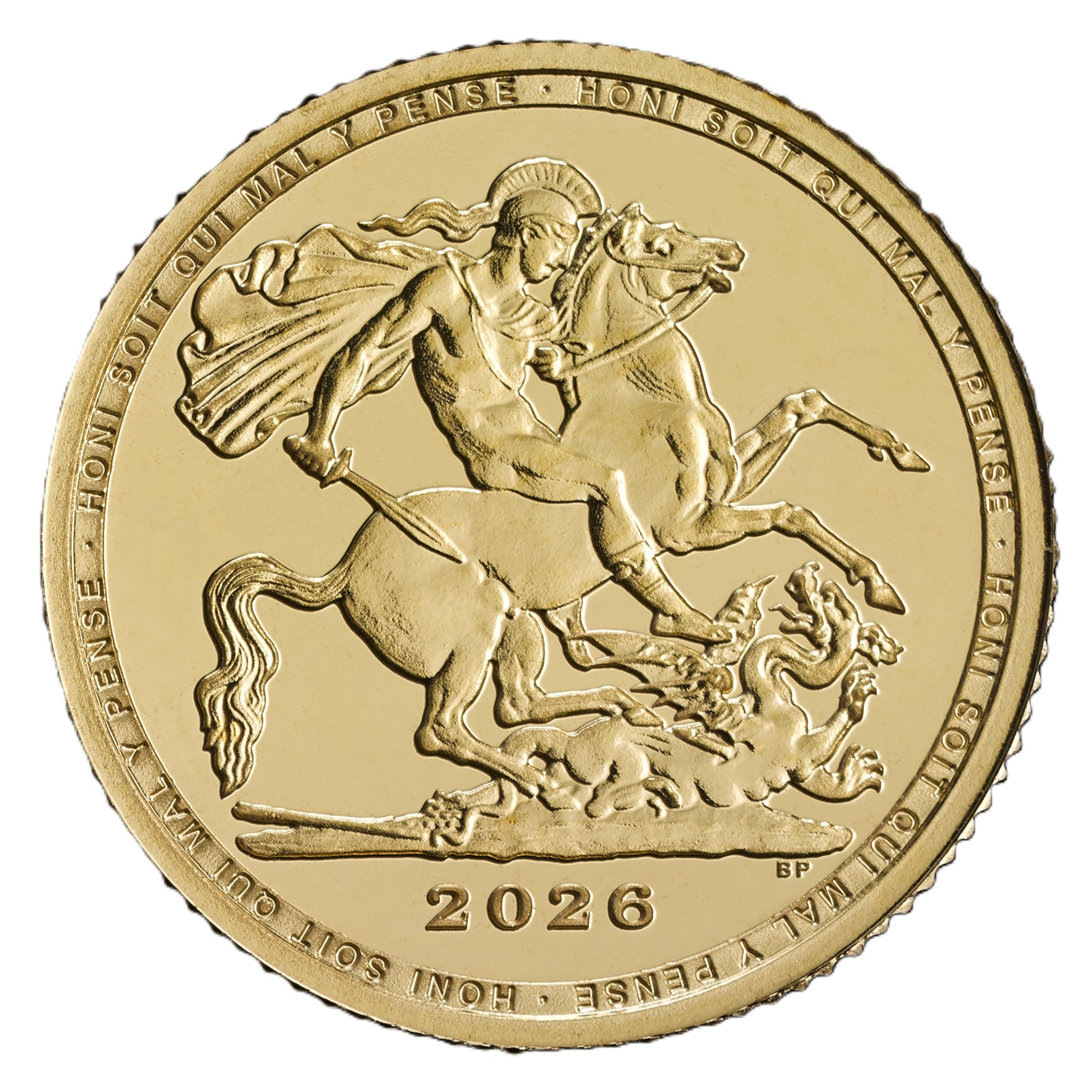
The history of gold coins dates back to the ancient civilizations of Lydia and Ionia round 600 BCE, where the primary standardized coins have been minted. These early coins had been made from electrum, a natural alloy of gold and silver, and featured intricate designs that always depicted the ruling authority or local deities. Observing these coins in museum collections reveals the craftsmanship and artistry of the time, reflecting the socio-political contexts by which they were created. The designs not only served as identifiers of authenticity but in addition conveyed messages of power and legitimacy.
As we move through history, the usage of gold coins expanded across varied cultures, from the Roman Empire to the Byzantine Empire, and later into the Islamic Caliphates. Every civilization introduced its unique aesthetic and ideological elements to coin design. For example, Roman coins typically featured emperors and navy victories, whereas Islamic coins usually averted human imagery, focusing as an alternative on intricate calligraphy and geometric patterns. Observing these differences highlights how gold coins weren't merely foreign money but additionally automobiles of cultural expression and propaganda.
Within the medieval period, the importance of gold coins continued to evolve. The introduction of the florin in Florence and the ducat in Venice marked a shift in direction of the usage of gold coins in worldwide trade. These coins became extensively accepted across Europe and beyond, facilitating commerce and financial enlargement. Observing the circulation patterns of these coins reveals the interconnectedness of commerce routes, as they traveled from one region to another, influencing local economies and cultures.
The Renaissance period saw a resurgence within the inventive quality of gold coins, as they grew to become not solely a technique of transaction but also a form of artwork. The Medici family in Florence, for instance, commissioned beautifully crafted coins that showcased their wealth and energy. Observing these coins right now permits us to appreciate the blend of artistry and financial perform, as well as the position of patronage within the creation of those exquisite items.
In the trendy period, gold coins have taken on new meanings. With the appearance of paper foreign money and digital transactions, the role of gold coins has shifted from on a regular basis foreign money to a symbol of stability and wealth. If you liked this article and you would like to acquire additional details with regards to Hubstack kindly check out our own page. Buyers and collectors now search gold coins as a hedge in opposition to inflation and economic uncertainty. Observing the contemporary marketplace for gold coins reveals a thriving neighborhood of numismatists who worth these coins not solely for their gold content but also for his or her historic significance and inventive benefit.
The attraction of gold coins extends beyond their financial value; they carry stories of the people and societies that created them. As an example, the invention of gold coins in archaeological websites often provides insights into trade practices, social hierarchies, and cultural exchanges. Observing these findings helps historians piece together the financial and social dynamics of past civilizations, illustrating how gold coins were woven into the fabric of day by day life.
Moreover, gold coins have change into a focal point in discussions about wealth inequality and economic systems. The disparity in gold coin distribution typically displays broader societal issues, resembling class divisions and entry to assets. Observing the historical context of gold coins allows us to engage with these themes critically, prompting questions about the character of wealth and its implications for society.

As we discover the world of gold coins, it is essential to think about the moral implications of their collection and trade. The marketplace for gold coins can sometimes intersect with problems with provenance and illicit trade. Observing the practices surrounding gold coins raises vital questions about ownership, heritage, and the responsibility of collectors and institutions in preserving history.
The allure of gold coins isn't limited to their bodily attributes; additionally they carry symbolic weight. Gold has long been related to divinity, purity, and immortality throughout varied cultures. Observing the cultural narratives surrounding gold coins reveals how they've been utilized in rituals, religious practices, and as offerings to deities. This spiritual significance provides one other layer to our understanding of why gold coins have been so highly valued all through historical past.
In conclusion, the statement of gold coins offers a window into the economic, cultural, and historic landscapes of humanity. From their origins in ancient civilizations to their contemporary significance in funding and accumulating, gold coins encapsulate a rich tapestry of human expertise. As we proceed to study and appreciate these artifacts, we acquire insights not only into the past but in addition into the values and priorities of societies across time. The enduring allure of gold coins lies in their potential to attach us with our shared history and the complexities of human civilization.